

Blog
Invite your friends
It's always more fun to train with friends
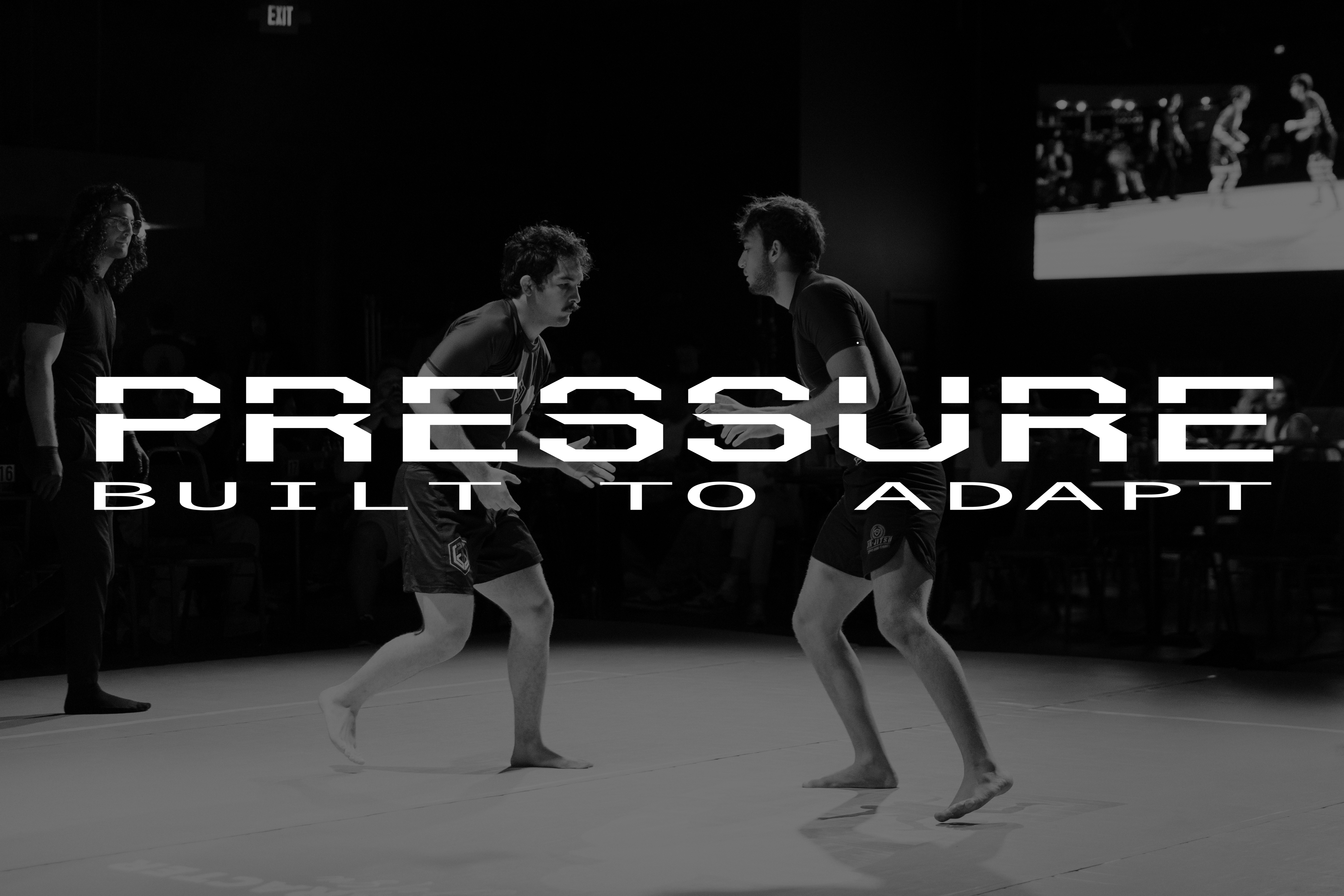
PRESSURE 2026
Pressure Strength and Conditioning
We’re kicking off the next Pressure Strength and Conditioning cycle at Team Soul.
This block of training runs through the summer and is designed to build toward ADCC Miami in July. Several athletes in our community will be competing there, and we want them showing up strong, durable, and well prepared for the demands of high level grappling.
At the same time, this program is not only for ADCC athletes.
Pressure has always been built for grapplers, wrestlers, MMA athletes, and combat sport enthusiasts, but the structure works extremely well for anyone looking for a thoughtful strength and conditioning program. Some people will follow the program exactly as written each week. Others will plug sessions into their training depending on their grappling schedule, work schedule, or recovery needs.
Both approaches work.
The intention behind Pressure has always been straightforward. Build athletes who are stronger, harder to injure, and better able to express their skills when things get uncomfortable.
Where the Program Comes From
Pressure isn’t a random collection of workouts.
The structure of this cycle pulls from several influences that have shaped how we coach at Team Soul for years. There are elements inspired by the conjugate system, traditional strength and conditioning methods, and our own experience working with athletes across multiple sports.
Over the years we’ve coached CrossFit Games athletes, national and world level weightlifters, combat sport athletes, sports entertainers, endurance athletes, and plenty of everyday people who simply want to train hard and get stronger.
All of that experience shows up in how these programs are built.
The goal is always to create something that works for real people with real schedules, not just something that looks impressive on paper.
Pressure is the result of that approach.
How This Cycle Is Structured
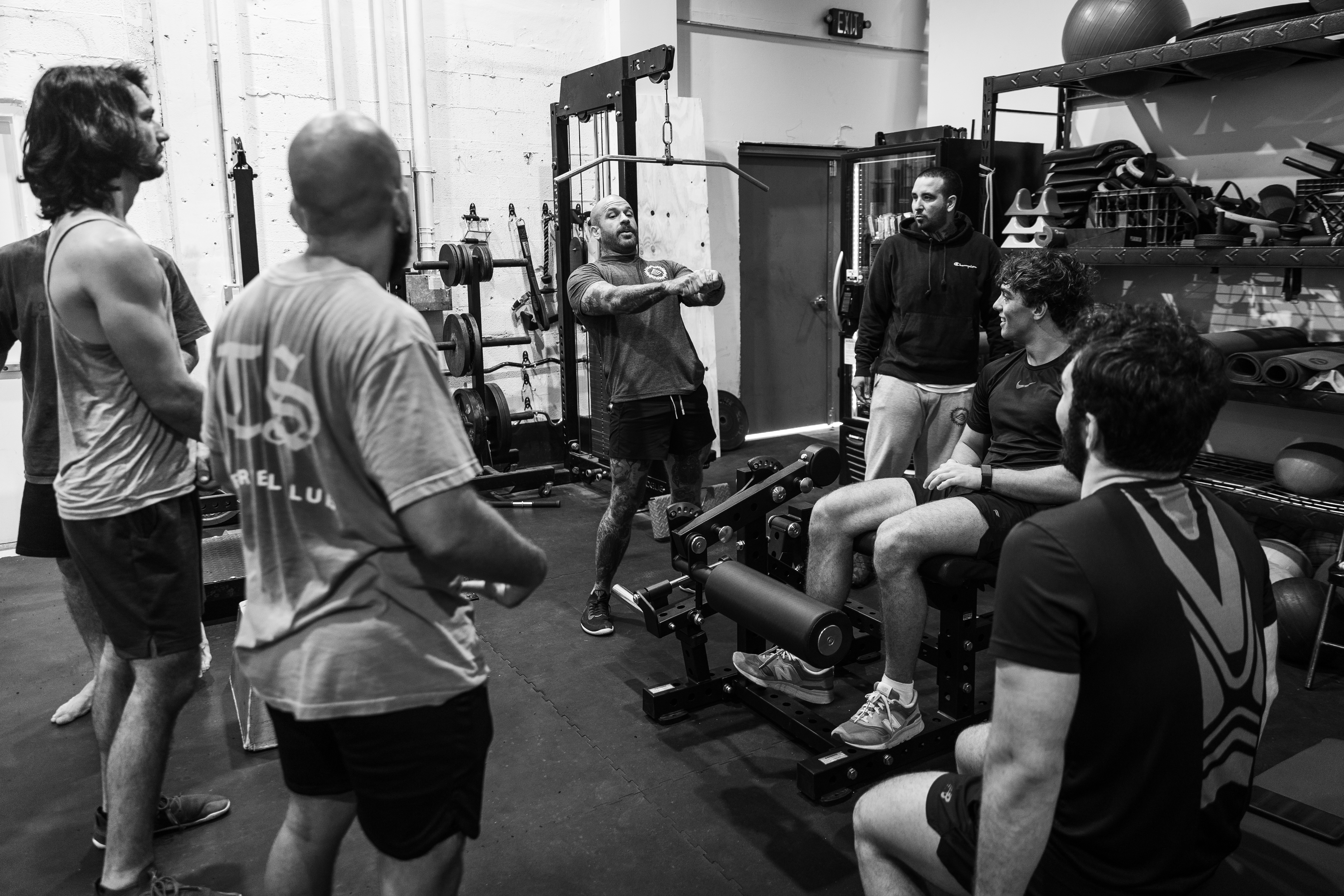
This cycle moves through four phases. Each phase builds on the previous one and gradually shifts the emphasis of the training.
The first phase focuses on structural strength and building a steady aerobic base.
During this phase we spend time developing strong hips, glutes, trunk stability, and pulling strength. These qualities support almost every grappling position. Guard retention, scrambling, standing exchanges, controlling posture, and maintaining pressure all rely on these foundations.
Alongside the strength work we begin developing a better aerobic engine. A strong aerobic base helps athletes recover faster between rounds, between scrambles, and between training sessions.
The second phase starts introducing more power and explosive output.
Grappling often comes down to short bursts of force. Shots, sprawls, guard passes, stand ups, and positional battles all require the ability to produce strength quickly and repeatedly. Training during this phase begins to reflect that rhythm. You will see more dynamic strength work, loaded carries, and conditioning that challenges your ability to keep producing force while fatigued.
The third phase becomes more specific to the demands of grappling.
Training begins to emphasize repeat efforts and environments that feel closer to the rhythm of a match. Athletes are asked to stay composed, keep moving, and continue making good decisions while tired.
Even if you are not competing at ADCC, this phase tends to be where grapplers feel the biggest carryover to their time on the mats.
The final phase is the peak and taper.
Training volume starts to drop slightly while intensity stays purposeful. The goal here is not to cram in more work, but to allow the body to actually express the strength and conditioning that has been built throughout the cycle.
For competitors this means arriving at ADCC ready to perform. For everyone else it simply means finishing the cycle feeling capable instead of completely drained.
Be a Student of the Process
One thing we ask from everyone following this program is simple.
Be a student.
Not every movement in the program will be familiar right away. Some athletes will see exercises they have never performed before. That’s normal.
Take a few minutes to look up a movement if you’re unsure about it. Watch a quick demonstration. Learn what the exercise is trying to develop.
Approach it the same way you approach grappling. If you’re trying to learn a guard system or a passing sequence, you study it, ask questions, and then practice it.
Training should be no different.
If you live in South Florida, the best way to maximize the program is to train with us. Pressure athletes should be coming through Team Soul Training Hall sessions in either gym whenever possible. Ask a coach for help. Ask questions about movements. Use the environment around you.
After the first few weeks the flow of the program becomes much easier to follow.
What a Typical Week Looks Like
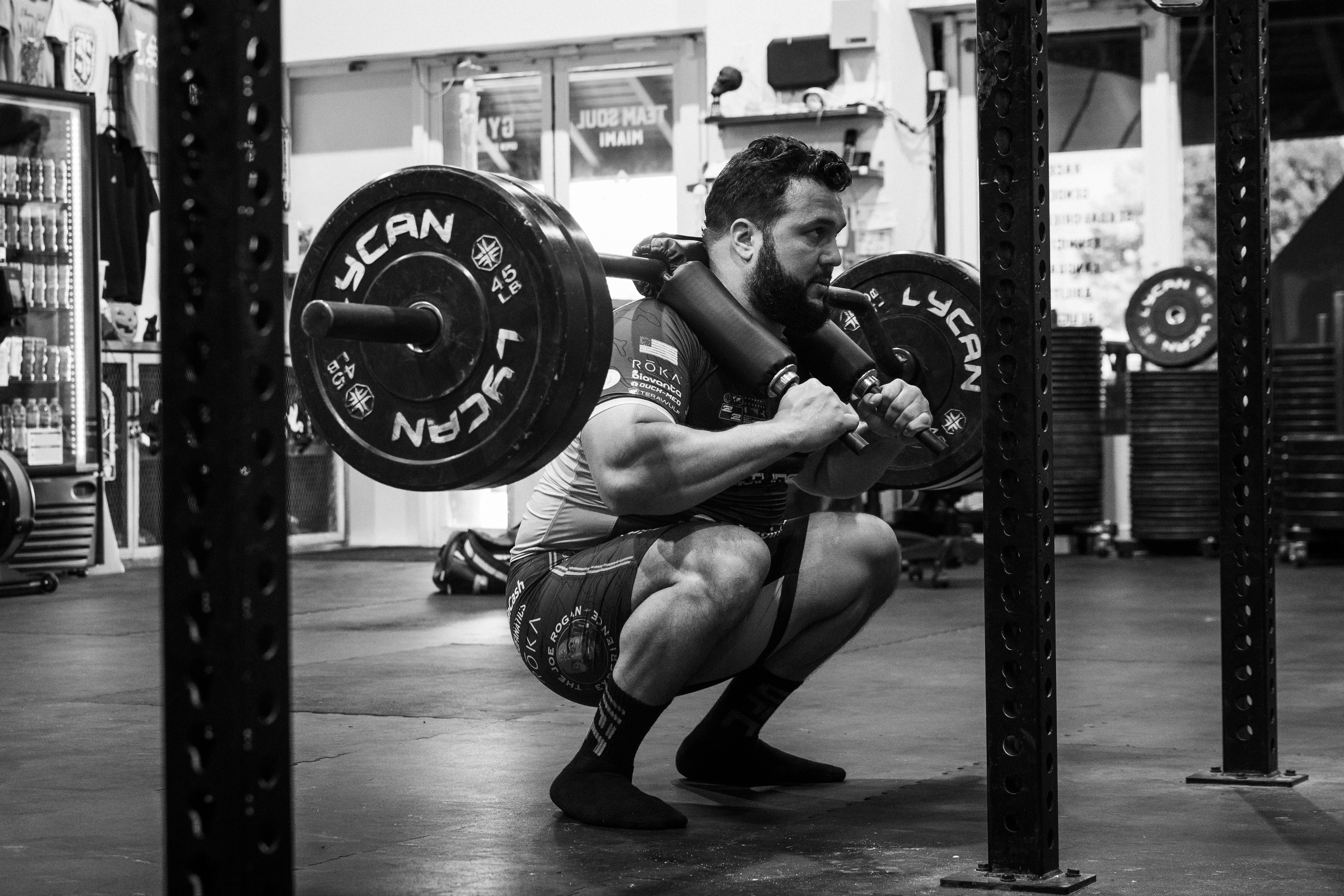
Each day of the week has a general focus so athletes know what to expect when they walk into training.
Monday usually combines strength and conditioning.
Tuesday is a strength focused session.
Wednesday focuses on conditioning and work capacity.
Thursday can be used as a make up day or for 20 to 30 minutes of steady Zone 2 aerobic work.
Friday returns to strength development.
Saturday blends strength and conditioning again, often with a slightly tougher effort.
We always recommend full adherence to any of our programs whenever possible. Following the program as written will always produce the best results.
At the same time, this cycle is intentionally structured so athletes can adapt it around their schedule. Think of it as a “choose your own adventure” approach to training. You can plug sessions into your week depending on how often you’re on the mats, how your body feels, and how much time you have available.
Higher levels of adherence will always produce better results, but the structure allows you to train consistently even when life gets busy.
Nutrition and Hydration
Strength and conditioning only works if the body has the resources to adapt.
If you are training on the mats several days per week and adding strength and conditioning on top of that, you need to eat enough calories to support the workload. Undereating is one of the fastest ways to stall progress, slow recovery, and increase injury risk.
Hydration is one of the easiest things athletes can improve.
A simple guideline is to aim for roughly half an ounce to one ounce of water per pound of bodyweight each day. A 180 lb athlete should typically be somewhere in the range of 90 to 180 ounces of water per day, with the higher end applying to days where you are training hard, sweating heavily, or spending time in the heat.
Protein intake also plays a major role in recovery and strength development. Most athletes who train regularly should aim for roughly 0.7 to 1 gram of protein per pound of bodyweight per day. This supports muscle repair, recovery, and overall training adaptation.
Meal timing can help athletes feel better during training sessions as well.
Before training, most athletes do well with a meal that includes carbohydrates and protein about 60 to 90 minutes before training. This gives the body time to digest and provides usable energy for the session.
After training, it helps to eat again within one to two hours, focusing on protein and carbohydrates to support recovery and replenish energy stores.
None of this needs to be overly complicated. Consistently eating enough quality food, drinking enough water, and prioritizing recovery habits will make a noticeable difference in how your body responds to training.
If you want help dialing this in, Team Soul offers nutrition coaching as well.
You can learn more about that HERE
Better nutrition, proper hydration, and quality sleep will go a long way in helping your body adapt to the training.
The Goal of Pressure
Pressure Strength and Conditioning exists to build athletes who are strong, durable, and capable of expressing their skills when it matters most.
This cycle happens to line up with ADCC, but the program itself applies to far more than one event. Grapplers, combat sport athletes, and anyone looking for a well designed strength and conditioning program can benefit from it.
If you want to follow the program, you can register HERE



Designed and developed
by zen planner