Loneliness Is a Health Risk—Here’s What You Can Do About It
Key Takeaway: Loneliness isn’t just emotional—it’s physical. Strong social connections can improve your health, longevity, and quality of life. And the good news? It's never too late to start rebuilding them.
A Growing Health Concern—That Doesn’t Get Talked About Enough
The World Health Organization recently declared loneliness a global health crisis—and the numbers are hard to ignore.
Nearly 1 in 6 people worldwide experience loneliness
Social disconnection is linked to ~900,000 deaths per year
People with weaker social ties face a 32% higher risk of stroke and 29% higher risk of heart disease
Risk of depression more than doubles
On the flip side, people with strong social connections have 50% better odds of survival compared to those who feel isolated.
That’s not a small effect.
Why This Matters (Especially After 40)
As life gets busier, something often gets pushed aside: regular, meaningful connection.
Careers, family responsibilities, injuries, or time away from fitness routines can all make it harder to stay connected. And over time, it becomes easier to default to:
Quick texts instead of real conversations
Solo routines instead of shared experiences
“I’ll get back to that later”
Until later turns into months—or years.
The Good News: It Doesn’t Take Much to Change This
Rebuilding connections doesn’t require a complete life overhaul. Small, intentional shifts go a long way.
Here are a few simple ways to start:
1. Upgrade one interaction this week
Turn a text into a phone call. Turn a call into a coffee.
2. Join something
A class, a club, a group—shared experiences make connection easier (and more natural).
3. Put it on the calendar
If it’s not scheduled, it often doesn’t happen. Treat social time like any other important commitment.
4. Focus on quality, not quantity
A few meaningful relationships matter more than dozens of surface-level ones.
Where Fitness Fits Into All of This
Most people think of fitness as something that benefits physical well-being.
But for many, the biggest impact isn’t just strength or conditioning—it’s having a place to go, and people who notice when you’re there (and when you’re not).
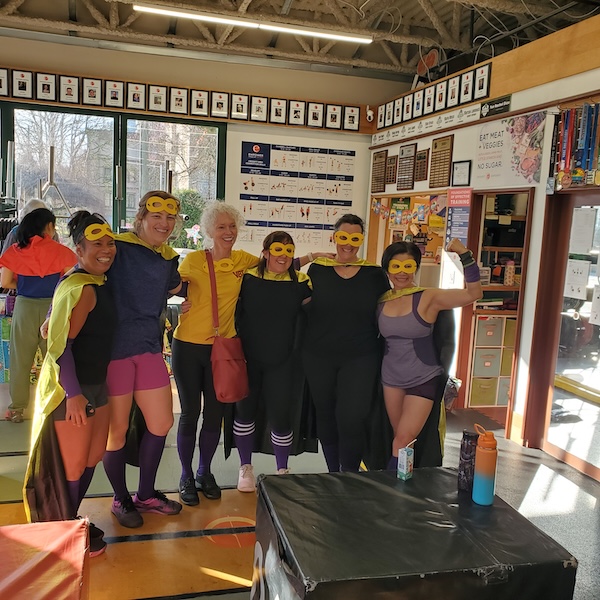
A place where you have a community — and friendships that grow and deepen over time.
Of course, not all gyms are like this. At many gyms, people plug in their earpods and stay in their own little worlds as they workout. There's little interaction, and you don't get to know the people working out next to you.
Empower is different.
More Than a Workout—A Community
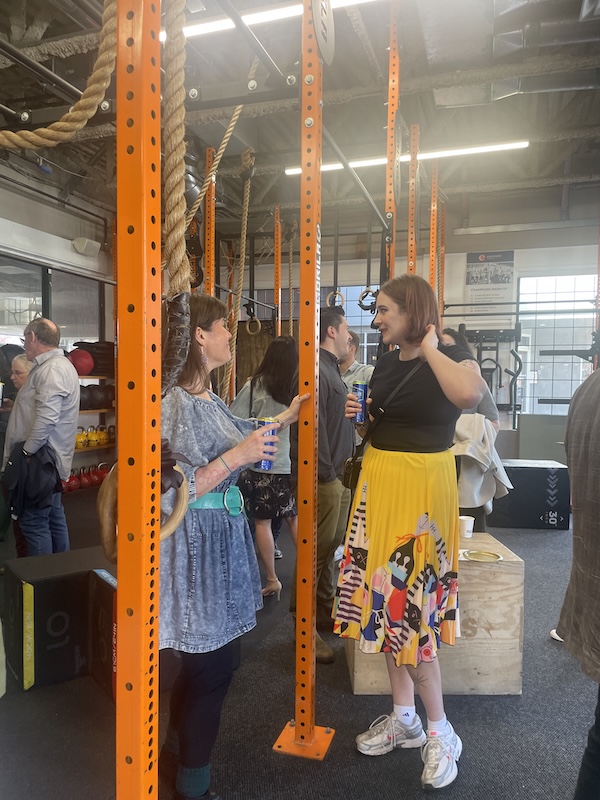
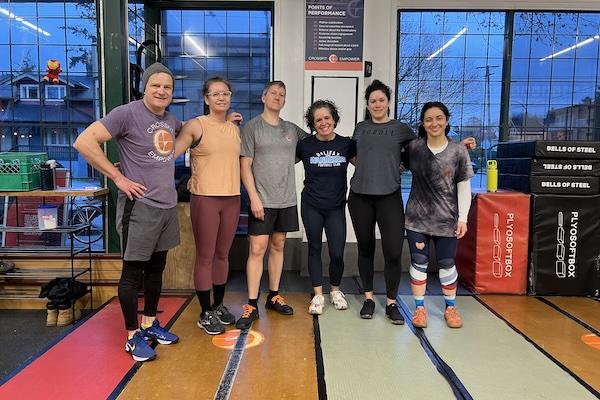
At Empower, classes are small, coaches know your name, your history, and what you’re working through, and members actually talk to each other—before, during, and after class.
We also make a point of creating opportunities to connect outside of regular classes, with events throughout the year like our Open intramurals, the 12 Days of Xmas, and the Empower Gala.
This is the kind of place where people notice when you show up—and when you don’t—and that sense of connection is what keeps people coming back.
If You’re Looking for a Place to Start
If you’ve been wanting to feel more connected—to be part of something again—Empower might be a great fit for you.
The best way to start is simple.
We offer a free No Sweat Intro—a relaxed, no-workout conversation where you can:
Get a feel for the community
Meet one of our coaches
See if our programs are a good fit for you
No pressure. Just a chance to take that first step.